Bottom heat

Definition and stakes

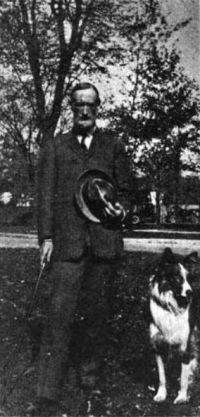
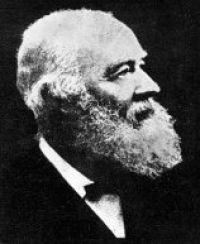
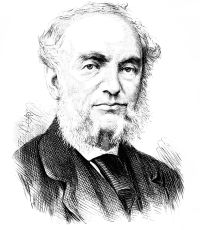
Portrait of John Arthur Thomson John Arthur Thomson,  Erik Semien — Part VIII

“ The impact of a falling stone generates heat; a waterfall is hotter at the bottom than at the top--the falling particles of water, on striking the ground, generate heat; and most chemical changes are attended by heat changes. Energy may remain latent indefinitely in a lump of wood, but in combustion it is liberated, and we have heat as a result. The atom of radium or of any other radio-active substance, as it disintegrates, generates heat. "Every hour radium generates sufficient heat to raise the temperature of its own weight of water, from the freezing point to the boiling point." ”
Source: Wikisource

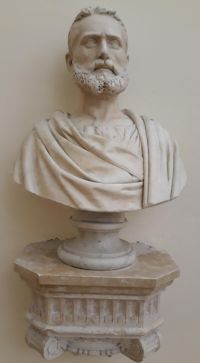
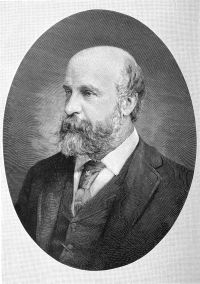
Portrait of Mary Somerville Mary Somerville,  On the Connexion of the Physical Sciences

“ Heat applied to the surface of a fluid is propagated downwards very slowly, the warmer, and consequently lighter strata, always remaining at the top. This is the reason why the water at the bottom of lakes fed from Alpine chains is so cold; for the heat of the sun is transfused but a little way below the surface. When the heat is applied below a liquid, the particles continually rise as they become specifically lighter, and diffuse the heat through the mass, their place being perpetually supplied by those that are more dense. The power of conducting heat varies materially in different liquids. ”
Source: Gutenberg

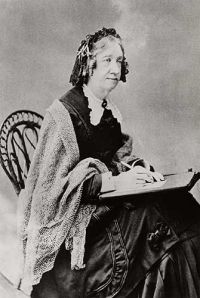
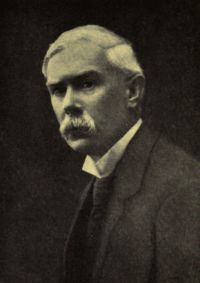
Portrait of Catharine Esther Beecher Catharine Esther Beecher,  Miss Beecher's Housekeeper and Healthkeeper

“ Air is heated in the same way. In case of a hot stove, the air that touches it is heated, becomes lighter, and rises, giving place to cooler and heavier particles, which, when heated, also ascend. It is owing to this process that the air of a room is warmest at the top and coolest at the bottom.
It is owing to this principle, also, that water and air can not be heated by fire from above. For the particles of these bodies, being non-conductors, do not impart heat to each other; and when the warmest are at the top, they can not take the place of cooler and heavier ones below.
”
Source: Gutenberg

Get perspective with Kwize: daily news enlightened by great literature