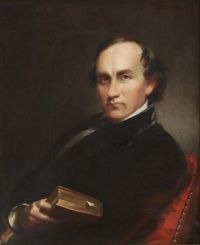
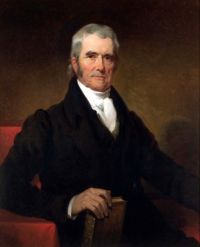
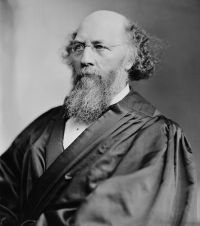
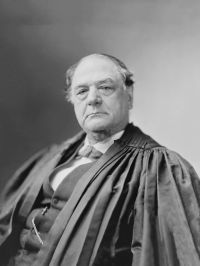
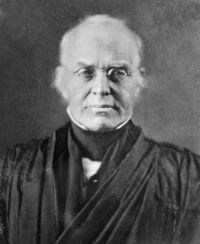
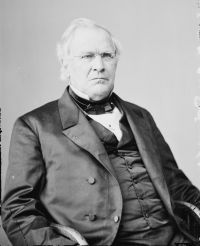
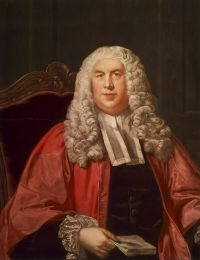
Case law, a cornerstone of common law systems, consists of judicial decisions that function as binding precedents, influencing legal interpretation through the principle of stare decisis. Authors such as Horace Gray stressed the importance of examining all aspects of a case, while Nathan Clifford emphasized differences in jurisdiction within legal proceedings.
Louis Brandeis highlighted the constitutional importance of legal remedies, and Samuel Freeman Miller demonstrated the relationship between factual determinations and legal outcomes. These diverse viewpoints illustrate case law as both a stabilizing element and a flexible structure, developing through judicial reasoning while preserving doctrinal consistency.