Casualty (war)

Definition and stakes

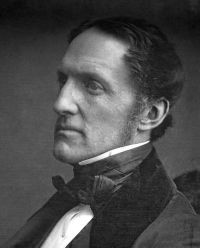
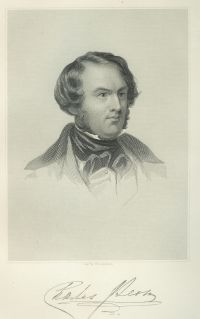
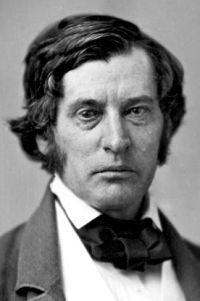
Portrait of Charles Sumner Charles Sumner,  Charles Sumner: his complete works…

“ At every step is war, and this is enough: soldiers black with powder; bayonets bent with the violence of the encounter; the earth ploughed with cannon-shot; trees torn and mutilated; the dead and dying; wounds and agony; fields covered with broken carriages, outstretched horses, and mangled bodies; while disease, sad attendant on military suffering, sweeps thousands from the great hospitals, and the multitude of amputated limbs, which there is no time to destroy, accumulate in bloody heaps, filling the air with corruption. ”
Source: Gutenberg

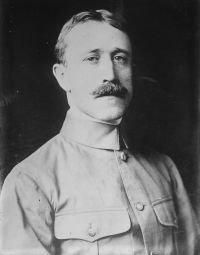
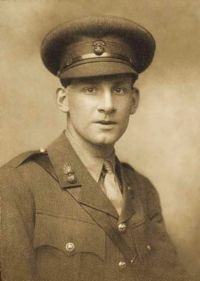
Portrait of Eugène Emmanuel Lemercier Eugène Emmanuel Lemercier,  Letters of a Soldier, 1914-1915

“ This is war; here are we approaching the place of horror. We have left behind the French villages where peace was still sleeping. Now there is nothing but tumult. And here are direct victims of the war.
The soldiers: blood, mud and dirt. The wounded. Those whom we pass at first are the least suffering—wounds in arms, in hands. In most of them can clearly be seen, in the midst of their fatigue and distress, great relief at having been let off comparatively easily.
”
Source: Gutenberg

Wilson's Tales of the Borders and of Scotland…

“ The battle raged keenly—swords were broken in the grasp of their owners—the strong war-horse kicked upon the ground, in the agony of death, indenting the earth with its hoofs as it died, leaving the impression of its agony—their wounded men grappled with, and reviled each other, as though they had been foreigners or aliens—spears were broken, and shields clanked against each other—while the war-shout and the dying groan mingled together. ”
Source: Gutenberg

Get perspective with Kwize: daily news enlightened by great literature