The categorical imperative, central to Immanuel Kant’s deontological ethics, is a moral principle requiring actions based on maxims that could be universally applied to all rational beings. Kant’s formulation—“Act only according to that maxim whereby you can at the same time will that it should become a universal law”—stresses inherent moral obligation rather than outcomes-based reasoning.
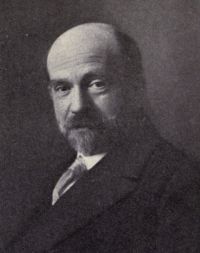
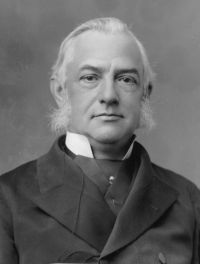
While Kant grounded it in pure practical reason, critics like Georg Hegel doubted its abstract practicality, and writers such as Pío Baroja criticized its apparent distance from human emotion. Others, like William Kingdon Clifford, connected it to moral commands derived from personal character. The concept’s lasting significance lies in its challenge to harmonize universal moral law with the intricacies of human motivation and social behavior.
 Immanuel Kant,
Fundamental Principles of the Metaphysic of Morals
Immanuel Kant,
Fundamental Principles of the Metaphysic of Morals