Censor (Roman)

Definition and stakes

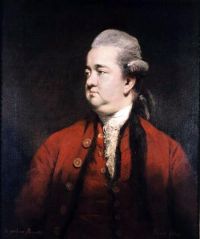
Portrait of Edward Gibbon Edward Gibbon,  The History of the Decline and Fall of the Roman Empire

“ A censor may maintain, he can never restore, the morals of a state. It is impossible for such a magistrate to exert his authority with benefit, or even with effect, unless he is supported by a quick sense of honor and virtue in the minds of the people, by a decent reverence for the public opinion, and by a train of useful prejudices combating on the side of national manners. In a period when these principles are annihilated, the censorial jurisdiction must either sink into empty pageantry, or be converted into a partial instrument of vexatious oppression. ”
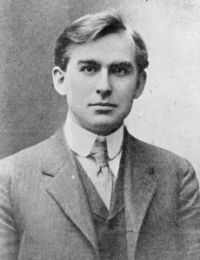
Source: Gutenberg

A. H. J. Greenidge,  Roman Public Life

“ In rank the censor occupies an anomalous position. Although lacking the imperium and the right of summoning people and Senate, he is reckoned amongst the majores magistratus, he has the “highest auspicia,” [1020] he sits in the curule chair, wears the purple-striped toga, and (an honour accorded to no other magistrate) is buried in the full purple of the king. [1021] Politically the censorship was the apex of a career. ”
Source: Gutenberg

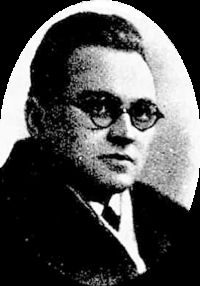
Portrait of Tenney Frank Tenney Frank,  Life and literature in the Roman republic (1930)

“ Livy happens to say, without specifying a date, that actors could not serve as soldiers in the Roman legions.
Now there are two possible explanations for this censorial stigma. It is possible that at one of the several puritanic assaults on the theater in the second century B.C.—and during one of these periods of reform the censor Nasica ordered a partly constructed theater to be torn down—a censorial brand may have been placed on the actors in order to discourage citizens from entering the profession.
”
Source: Gutenberg

Get perspective with Kwize: daily news enlightened by great literature