Dairy cattle

Definition and stakes

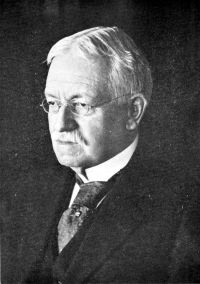
James Russel Roberts,  Stock and stalks (1921)

“ The color of the cow is the result of a condition. The red cow has been better suited to a farmer’s conditions and requirements. Dairy cattle can not rough it like beef or dual-purpose cattle. Where the custom is to stable feed and give good care to cattle, dairy breeds naturally take the lead. Where the dairy business is a side issue, and besides giving milk a cow is expected to face cold winds and to withstand periods of semi-starvation, the dairy type is not in it. ”
Source: Gutenberg

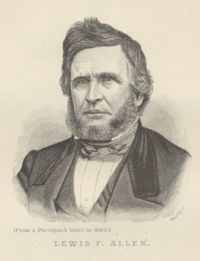
James P. Boyd,  Triumphs and Wonders of the 19th Century…

“ But Short-horns have been so generally bred for beef qualities that the demand for them is almost exclusively on that line, and they are no longer classed as dairy cattle. Ayrshires from Scotland, Holstein-Friesians from North Holland, and Jerseys and Guernseys from the Channel Islands, are the breeds recognized as of dairy excellence, and upon which the industry mainly depends for improvement of its milch cows. ”
Source: Gutenberg

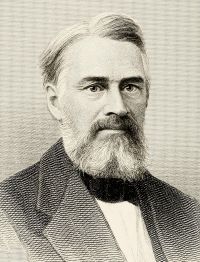
Portrait of Charles Louis Flint Charles Louis Flint,  Milch Cows and Dairy Farming

“ We want cattle for distinct purposes, as for milk, beef, or labor. In a large majority of cases,—especially in the dairy districts, comprising the Middle and Eastern States, at least,—the farmer cares more for the milking qualities of his cows, especially for the quantity they give, than for their fitness for grazing, or aptness to fatten. These latter points become more important in the Western and some of the Southern States, where far greater attention is paid to breeding and to feeding, and where comparatively little attention is given to the productions of the dairy. ”
Source: Gutenberg

Get perspective with Kwize: daily news enlightened by great literature