Development (biology)

Definition and stakes

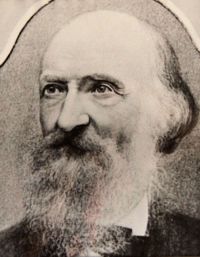
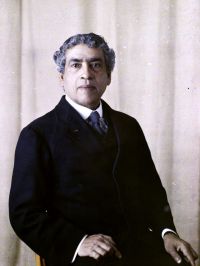
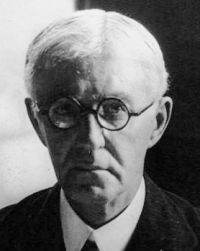
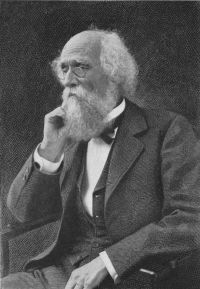
Portrait of T. W. Rolleston T. W. Rolleston,  Parallel Paths: A Study in Biology…

“ These are Growth and Development. The mark of growth is that an organism, by assimilation from the outside world, becomes larger than it was. But in development it becomes different from what it was. The history of an embryo in the womb presents a succession of phenomena which, when one comes to realize them, almost stagger thought; for, while remaining the same thing all through, it is continually becoming a different class of thing—first two cells, then one cell, then a fish, a quadruped, ultimately a human being. ”
Source: Gutenberg

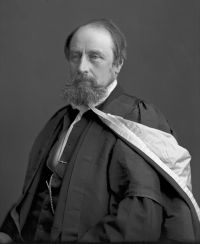
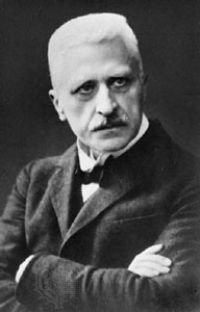
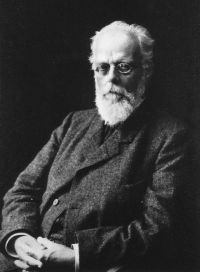
Portrait of August Weismann August Weismann,  The Evolution Theory, Vol. 1 of 2

“ Since it is the endeavour of the whole of modern biology to interpret life more and more through the interactions of the physical and chemical forces bound up with matter, development, too, comes within this aim, for development is an expression of life. We seek to understand the mechanism of life, and, as a part of that, the mechanism of development and of heredity which is closely associated with it. ”
Source: Gutenberg

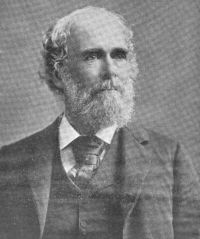
Portrait of Herbert Spencer Herbert Spencer,  The Principles of Biology — Chapter II.2 (1898)

“ The more highly developed the organism becomes, the stronger grows the contrast between its activity and the inertness of the objects amid which it moves.
Thus we may say that the development of an individual organism, is at the same time a differentiation of its parts from each other, and a differentiation of the consolidated whole from the environment; and that in the last as in the first respect, there is a general analogy between the progression of an individual organism and the progression from the lowest orders of organisms to the highest orders.
”
Source: Wikisource

Get perspective with Kwize: daily news enlightened by great literature