Epic poet

Definition and stakes

Lascelles Abercrombie,  The Epic

“ We may, then, in a general survey, regard epic poetry as being in all ages essentially the same kind of art, fulfilling always a similar, though constantly developing, intention. Whatever sort of society he lives in, whether he be surrounded by illiterate heroism or placid culture, the epic poet has a definite function to perform. We see him accepting, and with his genius transfiguring, the general circumstance of his time; we see him symbolizing, in some appropriate form, whatever sense of the significance of life he feels acting as the accepted unconscious metaphysic of his age. ”
Source: Gutenberg

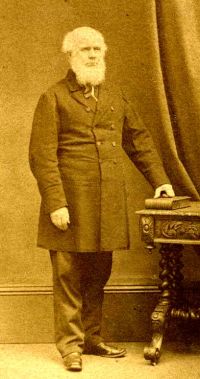
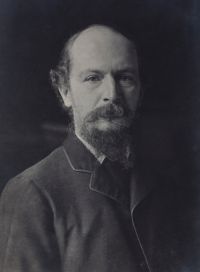
Portrait of Thomas Hill Green Thomas Hill Green,  An Estimate of the Value and Influence of Works of Fiction in Modern Times

“ But further he cannot go, for he approaches men from without. He does not reach, by other methods than observation, to any a priori affection of the spirit, and to this subordinate incident. Had he done so, he could not have uttered himself in the language of common life. In the world of heroes or angels, i.e., of men idealised, to which the epic poet raises us, he sustains us by the power of verse. The exalted action and the poetic expression are as essentially correlative in the epic, as are the natural incident and the prosaic expression in the novel. ”
Source: Gutenberg

Get perspective with Kwize: daily news enlightened by great literature