Epigraphy

Definition and stakes

1911 Encyclopædia Britannica (1911)

“ EPIGRAPHY (Gr. ἐπί, on, and γράφειν, to write) , a term used to denote (1) the study of inscriptions collectively, and (2) the science connected with the classification and explanation of inscriptions. It is sometimes employed, too, in a more contracted sense, to denote the palaeography, in inscriptions. ”
Source: Wikisource

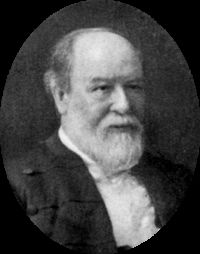
Portrait of Edward Clodd Edward Clodd,  The Story of the Alphabet

“ Palæography, or the decipherment of documents, and Epigraphy, or the decipherment of inscriptions, have been indispensable keys to the history of the alphabet. But the materials with which each has to deal would demand a volume, and, moreover, reference to them here has warrant only in their immediate bearings on the development and diffusion of alphabets. But, as with the Papyrus Prisse and the [Pg 200] Book of the Dead, there is a deep interest attaching to some of the venerable records. They are, in the modern phrase, and in the best sense of it, "human documents." ”
Source: Gutenberg

W. H. Davenport Adams,  By-ways in Book-land: Short Essays on Literary Subjects

“ Marzials’ ‘tragedy’ in quatrain:
‘She reach’d a rosebud from the tree,
And bit the tip and threw it by;
My little rose, for you and me
The worst is over when we die!’
But, then, the epigraph is never lyrical. It belongs to the order of reflective poetry, and consists of a single thought, expressed with as much brevity and grace as possible. A common form of it is the epitaph; another is the inscription; while at other times the poets have used it for the purpose of enshrining some occasional or isolated utterance.
”
Source: Gutenberg

Get perspective with Kwize: daily news enlightened by great literature