Epos

Definition and stakes

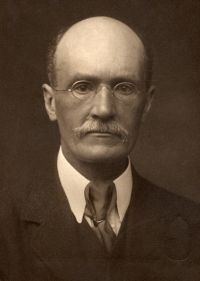
Portrait of Gilbert Murray Gilbert Murray,  A History of Ancient Greek Literature (1901)

“ He knows that those ancient chiefs did not trouble about their consciences: they killed in the fine old ruthless way. He does not try to make them real to himself at the cost of making them false to the spirit of the epos. The same objectiveness of treatment appears in another characteristic of Sophocles—the stress he lays on mere physical horror in the Œdipus, on physical pain in the Trachiniæ and the Philoctêtes. It is the spirit of the oldest, most savage epos. ”
Source: Wikisource

Various,  Blackwood's Edinburgh Magazine…

“ Many men of learning and taste, from Scaliger downwards, have instituted large and curious comparisons between the great national Epos of the Greeks, and that of the Romans; but the comparison of things that have a radically different character can seldom produce any result beyond the mere expression of liking and disliking ”
Source: Gutenberg

Jean Lang,  A Book of Myths

“ His elders heard the childish boast with a smile, but when Epaphos, half-brother to Apollo, had listened to it many times and beheld the child, Phaeton, grow into an arrogant lad who held himself as though he were indeed one of the Immortals, anger grew in his heart. One day he turned upon Phaeton and spoke in fierce scorn:
“Dost say thou art son of a god? A shameless boaster and a liar art thou! Hast ever spoken to thy divine sire? Give us some proof of thy sonship! No more child of the glorious Apollo art thou than are the vermin his children, that the sun breeds in the dust at my feet.”
”
Source: Gutenberg

Get perspective with Kwize: daily news enlightened by great literature