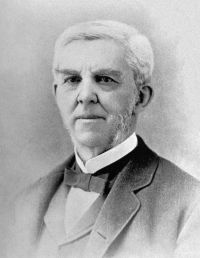
The front door, as the main entryway to a home, has long symbolized change, safety, and social engagement in literature. Writers have examined its tangible and symbolic aspects, from Thomas Peckett Prest’s portrayal of it as a calculated point of access in Varney the Vampire to Oliver Wendell Holmes Sr.’s figurative description of emotions as having “front-door” and “side-door” entrances.
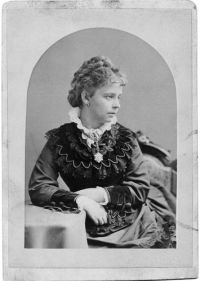
Alice Morse Earle admired its architectural elegance in colonial houses, while Charlotte Perkins Gilman employed it as a psychological boundary in The Yellow Wall Paper. These diverse depictions highlight the front door’s dual function as both a physical object and a narrative tool, connecting the private and public spheres.