Genius (mythology)

Definition and stakes

Portrait of Tito Vignoli Tito Vignoli,  Myth and Science

“ Not only verbs but adjectives were derived in common speech from the mythical names of gods; from Genius, a multiform and universal power in ancient Latin mythology, we have genialis and hence the expressions genialis lectus, genialis homo, genialis hiems, and poets and philosophers apply the same epithet even to the elements and the stars. On the other hand, Virtue, Faith, Piety, and other like moral conceptions, first regarded as real, yet impersonal entities, were transformed into a perfect myth, and into human forms worthy of divine worship. ”

Source: Gutenberg

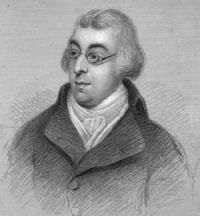
Portrait of Leigh Hunt Leigh Hunt,  Stories from the Italian Poets…

“ Genius, nevertheless, is so commensurate with absurdity throughout the book, and there are even such sweet and balmy as well as sublime pictures in it occasionally, nay often, that not only will the poem ever be worthy of admiration, but when those increasing purifications of Christianity which our blessed reformers began, shall finally precipitate the whole dregs of the author into the mythology to which they belong, the world will derive a pleasure from it to an amount not to be conceived till the arrival of that day. ”
Source: Gutenberg

Portrait of Ralph Waldo Emerson Ralph Waldo Emerson,  Society and solitude: Twelve chapters (1870)

“ If our times are sterile in genius, we must cheer us with books of rich and believing men who had atmosphere and amplitude about them. Every good fable, every mythology, every biography from a religious age, every passage of love, and even philosophy and science, when they proceed from an intellectual integrity, and are not detached and critical, have the imaginative element. ”
Source: Gutenberg

Get perspective with Kwize: daily news enlightened by great literature