Glass (drinking vessel)

Definition and stakes

J. Sydney Lewis,  Old Glass and How to Collect it

“ Champagne Glasses.—There is, of course, no real reason why one kind of wine should be drunk from a glass of special shape and another from a totally different one, but once glass drinking vessels had become the vogue, this habit of specialising in the shape and size of glasses speedily became the fashion and crystallised into a custom which persists even to-day in our port, sherry, champagne, claret, and liqueur glasses. ”
Source: Gutenberg

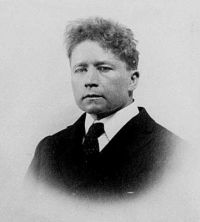
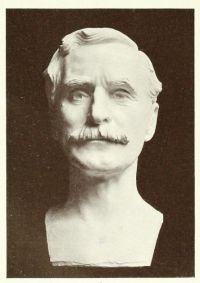
Portrait of Charles Hercules Read Charles Hercules Read,  1911 Encyclopædia Britannica, Volume 8… (1911)

“ Other types are perhaps nearly as characteristic, though of simpler construction. One of these is a simple cone of glass, sometimes quite plain, at others ornamented with an applied spiral glass thread, or more rarely with festoons of white glass embedded in the body of the vessel. A third form is a plain cup or bowl widely expanded at the mouth and with a rounded base, so that it could only be set down when empty, in fact a true “tumbler.” This feature is in fact a very common one in the drinking vessels of the Saxon race. ”
Source: Wikisource

Portrait of John Aikin John Aikin,  Evenings at Home; Or, The Juvenile Budget Opened

“ Nothing makes such clean and agreeable vessels as glass, which has the quality of not being corroded by any kind of liquor, as well as that of showing its contents by its transparency. Hence it is greatly preferable to the most precious metals for drinking out of; and for the same reasons it is preferred to every other material for chymical utensils, where the heat to be employed is not strong enough to melt it.
Har. Then glass windows.
Tut. Ay; that is a very material comfort in a climate like ours, where we so often wish to let in the light, and keep out the cold wind and rain.
”
Source: Gutenberg

Get perspective with Kwize: daily news enlightened by great literature