Gross profit

Definition and stakes

Portrait of John Stuart Mill John Stuart Mill,  Essays on some unsettled Questions of Political Economy

“ The gross profit of a country is the actual amount of necessaries, conveniences, and luxuries, which are divided among its capitalists: but whether this be large or small, the rate of profit may be just the same. The rate of profit is the proportion which the profit bears to the capital; which the surplus produce after replacing the outlay, bears to the outlay. In short, if we compare the price paid for labour and tools with what that labour and those tools will produce, from this ratio we may calculate the rate of profit. ”
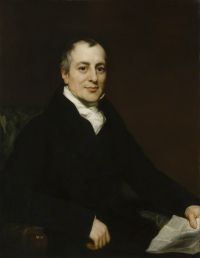
Source: Gutenberg

Portrait of John Stuart Mill John Stuart Mill,  Principles of Political Economy (1871)

“ The gross produce of industry consists of two parts; one portion serving to replace the capital consumed, while the other portion is profit. Now equal capitals in two branches of production must have equal expectations of profit; but if a greater portion of the one than of the other is fixed capital, or if that fixed capital is more durable, there will be a less consumption of capital in the year, and less will be required to replace it, so that the profit, if absolutely the same, will form a greater proportion of the annual returns. ”
Source: Wikisource

Get perspective with Kwize: daily news enlightened by great literature