Guilty plea

Definition and stakes

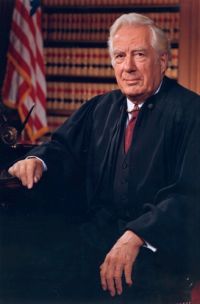
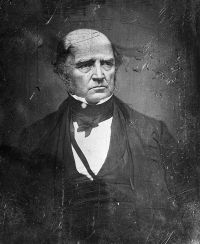
Byron White,  Brady v. United States (397 U.S. 742…

“ That a guilty plea is a grave and solemn act to be accepted only with care and discernment has long been recognized. Central to the plea and the foundation for entering judgment against the defendant is the defendant's admission in open court that he committed the acts charged in the indictment. He thus stands as a witness against himself and he is shielded by the Fifth Amendment from being compelled to do so-hence the minimum requirement that his plea be the voluntary expression of his own choice. ”

Source: Wikisource

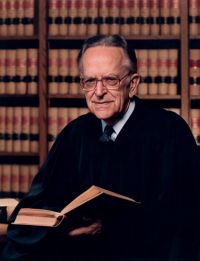
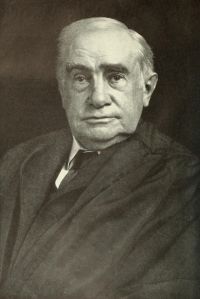
Portrait of William O. Douglas William O. Douglas,  Boykin v. Alabama — Opinion of the Court

“ It was error, plain o the face of the record, for the trial judge to accept petitioner's guilty plea without an affirmative showing that it was intelligent and voluntary. That error, under Alabama procedure, was properly before the court below and considered explicitly by a majority of the justices and is properly before us on review.
A plea of guilty is more than a confession which admits that the accused did various acts; it is itself a conviction; nothing remains but to give judgment and determine punishment.
”
Source: Wikisource

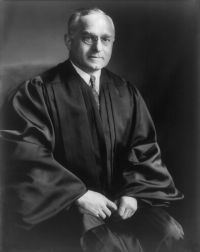
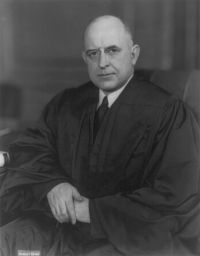
Portrait of Tom C. Clark Tom C. Clark,  Lott v. United States — Dissent

“ In actual practice, then, nothing more is left to be done by the court after accepting a nolo contendere plea than is necessary after accepting a guilty plea or after a jury returns a verdict of guilty. In each of the three situations, guilt has been determined upon the acceptance by the court of the respective pleas or of the verdict of the jury. In each case, motions to withdraw the pleas or to set aside the verdict may be made, and might be granted, but their availability does not alter the fact that, until any such motion is granted, there has been a determination of guilt. ”
Source: Wikisource

Get perspective with Kwize: daily news enlightened by great literature