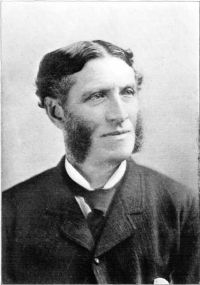
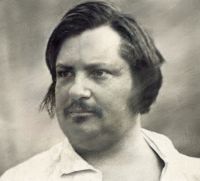
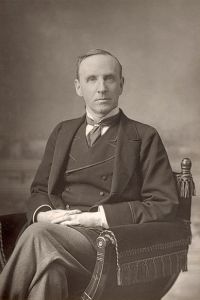
Higher criticism, a scholarly method for examining the origins, authorship, and authenticity of texts—especially religious or literary works—has long been a topic of discussion. Authors such as Matthew Arnold highlighted its potential to clarify ideas, while Honoré de Balzac recognized the inevitability of critique as a fundamental aspect of human judgment.
Mervin James Curl described criticism as an evaluative process grounded in principles, and Max Stirner associated it with the examination of societal norms. These viewpoints, ranging across literary and philosophical fields, illustrate higher criticism's dual function as both a means of intellectual precision and a spark for controversial debate, demonstrating its lasting importance in shaping cultural and academic discourse.
 George Lincoln Walton,
Why Worry?
George Lincoln Walton,
Why Worry?