History education

Definition and stakes

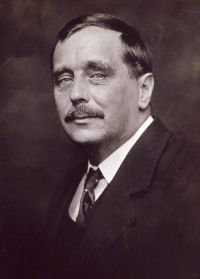
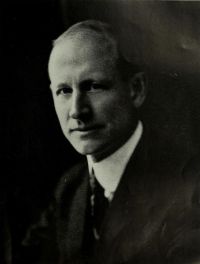
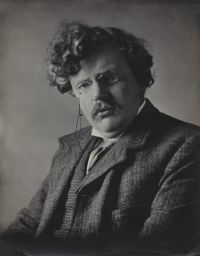
Portrait of Gilbert Keith Chesterton Gilbert Keith Chesterton A Short History of England (1917)

Education, if it had ever really been in question, would doubtless have been a noble gift; education in the sense of the central tradition of history, with its freedom, its family honour, its chivalry which is the flower of Christendom. But what would our populace, in our epoch, have actually learned if they had learned all that our schools and universities had to teach?
Source: Wikisource

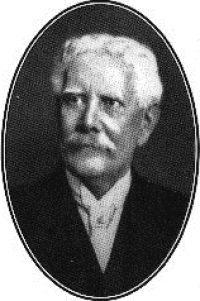
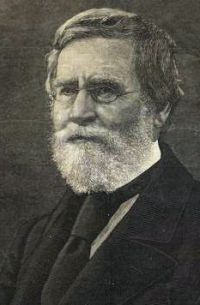
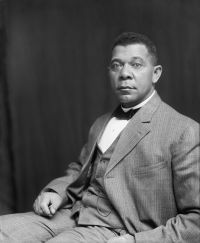
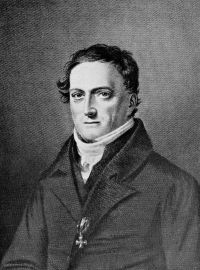
Portrait of Friedrich Max Müller Friedrich Max Müller India—what can it teach us? (1892)

Why do we want to know history? Why does history form a recognised part of our liberal education? Simply because all of us, and every one of us, ought to know how we have come to be what we are, so that each generation need not start again from the same point, and toil over the same ground, but, profiting by the experience of those who came before, may advance towards higher points and nobler aims.
Source: Wikisource

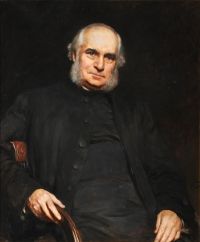
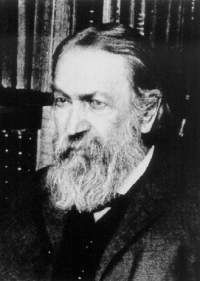
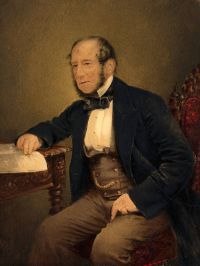
Portrait of William Stubbs William Stubbs Seventeen lectures on the study of medieval and modern history and kindred subjects (1886)

As to any definite finality, any perfect and exhaustive division of periods and duties, any theoretically complete staff of professors of History, I confess that I am not disposed to be anxious. If the study flourishes and is not cramped for means, the completeness and the neatness of system will grow as it grows: and we may be content to let it grow so.
In conclusion, that is, of this part of my subject,—the condition and prospects of historical education, apart from the general subject of the bona fide development of historical study,—I should say a word or two about teaching in schools.
Source: Wikisource

Get perspective with Kwize: daily news enlightened by great literature