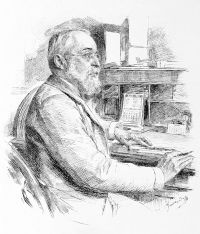
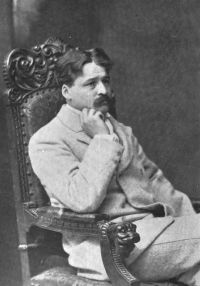
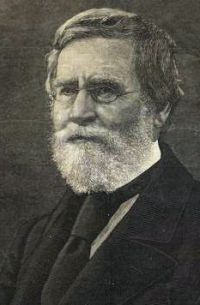
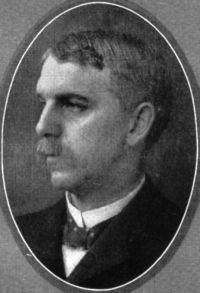
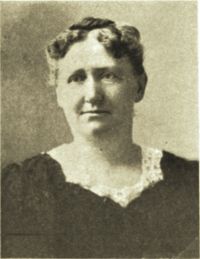
A textbook is a structured educational resource designed to convey knowledge systematically. Authors such as Winifred Margaretta Kirkland envisioned textbooks as succinct, organized tools for recalling key historical events, while Charles Hubbard Judd emphasized their diverse functions, distinguishing between materials that teach basic skills and those that provide in-depth analysis.
Joseph Kennedy critiqued excessive dependence on textbooks, pointing out their shortcomings in encouraging practical application, whereas Paul Klapper supported the use of primary sources alongside textbooks to enhance comprehension. These viewpoints highlight the textbook’s dual role as both a fundamental guide and a stimulus for critical thinking, reflecting broader discussions about the goals and approaches of education.