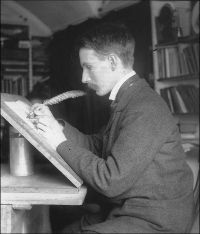
An illuminated manuscript is a manuscript decorated with ornamental features such as borders, miniatures, and historiated initials, often serving religious, liturgical, or secular functions. From late antiquity through the Middle Ages, these works were produced on vellum, embodying both spiritual dedication and artistic excellence. Scholars such as Sidney Farnsworth emphasized their distinctiveness and lasting aesthetic worth, while Robert Curzon underscored their historical importance as artifacts requiring careful embellishment.
J. H. Middleton observed the contrast between medieval artistry and industrial modernity, documenting the slow fading of illumination as printing developed. These viewpoints highlight the illuminated manuscript’s function as a link between sacred tradition and shifting artistic expressions, maintaining medieval visual culture in a form that goes beyond mere text.