Grisaille, derived from the French for "grey," refers to monochrome painting in various shades of grey, often used to convey relief in decorative art. This concept extends beyond visual art into literature, where authors like Mary Wollstonecraft Shelley and Charles Kingsley evoke desolate, ashen landscapes to reflect existential or societal decline.
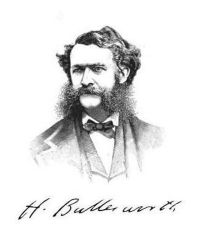
Hezekiah Butterworth’s plague-stricken forests and Paul Cameron Brown’s "dead grass" beneath a "stalactite sun" echo this aesthetic, merging visual and emotional austerity. H.G. Wells’ bleak, primal settings further demonstrate grisaille’s ability to portray harshness in both form and narrative, presenting it as a lens for depicting human and environmental desolation.