Language change

Definition and stakes

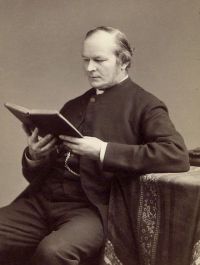
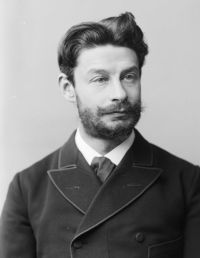
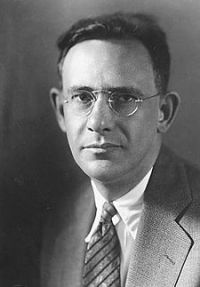
Portrait of Edward Sapir Edward Sapir,  Language: An Introduction to the Study of Speech

“ Are we not giving language a power to change of its own accord over and above the involuntary tendency of individuals to vary the norm? And if this drift of language is not merely the familiar set of individual variations seen in vertical perspective, that is historically, instead of horizontally, that is in daily experience, what is it? Language exists only in so far as it is actually used—spoken and heard, written and read. ”
Source: Gutenberg

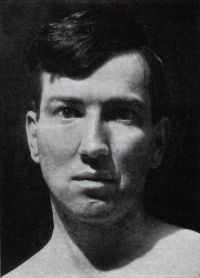
1911 Encyclopædia Britannica, Volume 21… (1911)

“ That change to which the existing habits naturally lead is easy to bring about; any other is practically impossible. It is this tendency on the part of the collective speakers of a language to approve or reject a proposed change according to its conformity with their already subsisting usages that we are accustomed to call by the fanciful name “the genius of a language.”
On the relation of the part played in language-change by the individual to that by the community, in combination with the inevitableness of change, rests the explanation of the dialectic variation of language.
”
Source: Wikisource

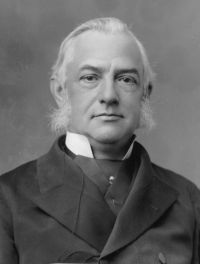
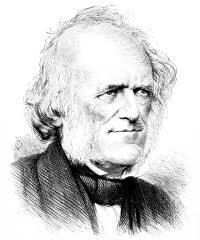
Portrait of Sir Charles Lyell Sir Charles Lyell,  The Antiquity of Man

“ Although the speakers may be unconscious that any great fluctuation is going on in their language—although when we observe the manner in which new words and phrases are thrown out, as if at random or in sport, while others get into vogue, we may think the process of change to be the result of mere chance—there are nevertheless fixed laws in action, by which, in the general struggle for existence, some terms and dialects gain the victory over others. ”
Source: Gutenberg

Get perspective with Kwize: daily news enlightened by great literature