Language learning

Definition and stakes

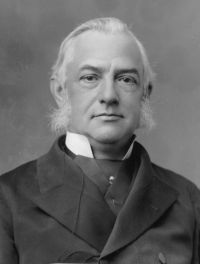
Portrait of Harold E. Palmer Harold E. Palmer,  The Principles of Language-Study

“ Language-learning, like all other arts as contrasted with sciences, is a habit-forming process. Proficiency in the understanding of the structure of a language is attained by treating the subject as a science, by studying the theory; but proficiency in the use of a language can only come as a result of perfectly formed habits. No foreign word, form, or combination of these is ‘known’ or ‘mastered’ until we can use it automatically, until we can attach it to its meaning without conscious analysis, until we can produce it without hesitation and conscious synthesis. ”
Source: Gutenberg

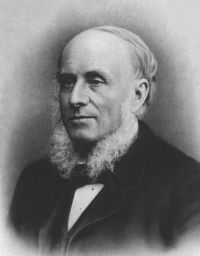
A. B. Stark,  Popular Science Monthly (1879)

“ Having learned English in this way and gotten a knowledge of French and German as collateral helps, the student will enjoy the best fruits of learning languages—a liberal culture, a critical knowledge of his mother-tongue, an intelligent insight into the laws of language, and a key to what is best, usefulest, and most inspiring in literature.
But, to learn the language in its living power, it is necessary to study it in its literature. The language is the body, the literature is its soul; they can be rightly understood only by studying them together.
”
Source: Wikisource

Claude Victor André Marcel,  Popular Science Monthly (1874)

“ The natural application of these principles to the acquisition of our native language offers us an infallible guide and simple processes of marvelous efficacy. By what perversity or blindness are we kept from, the route traced for us by Nature? Why not avail ourselves of those powerful instincts, curiosity and imitation—especial sources of progress in the acquisition of language? Providence has given them to man to accomplish his destiny. It is an aberration of the human mind, it is almost an impiety, to reject them and seek other means for learning a second language. ”
Source: Wikisource

Get perspective with Kwize: daily news enlightened by great literature