Liberties of England

Definition and stakes

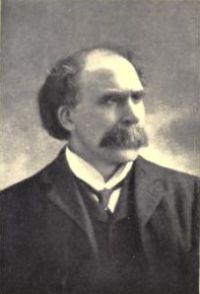
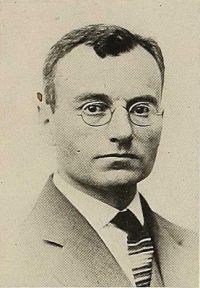
Portrait of Carl L. Becker Carl L. Becker The Eve of the Revolution; A Chronicle of the Breach with England (1918)

The people of New England fled for the sake of civil and religious liberty; multitudes flocked to America with this dependence, that their liberties should be safe. They and their posterity have enjoyed them to their content, and therefore have endured with greater cheerfulness all the hardships of settling new countries. No ill use has been made of these privileges; but the domain and wealth of Great Britain have received amazing addition. Surely the services we have rendered the nation have not subjected us to any forfeitures.
Source: Gutenberg

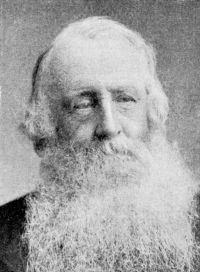
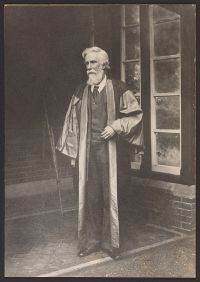
Portrait of John Cassell John Cassell Cassell's Illustrated History of England (1865)

His cause was the best in the world—that of maintaining the liberties of England against the designs of one of the most profligate and despotic courts that ever existed. But, by following crooked by-paths and dishonest schemes, and by employing the most villainous of mankind for accomplishing his object, he ruined it. Had he and his fellows, who had more or less of genuine patriotism in them, combined to rouse their country by high, direct, and honourable means, they would have won the confidence of their country, and saved it, or have perished with honour.
Source: Wikisource

Portrait of John Cassell John Cassell Cassell's Illustrated History of England (1865)

On the other side stood the barons of the kingdom, attended by a vast multitude, representing all other classes of the population. So completely was the arrogance of the king subdued, so hopeless appeared all resistance, that, with scarcely a word of remonstrance, John signed the document presented to him, which, as the foundation of the liberties of England, is known to us by the name of Magna Charta—the Great Charter.
Source: Wikisource

Get perspective with Kwize: daily news enlightened by great literature