Mineral acid

Definition and stakes

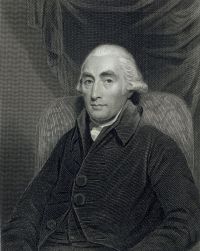
C. Beringer,  A Text-book of Assaying: For the Use of Those Connected with Mines

“ It is almost always used in those cases where mineral acids are objectionable. To convert, for example, a solution of a substance in hydrochloric acid into a solution of the same in acetic acid, alkali should be added in excess and then acetic acid. Many compounds are insoluble in acetic acid, which are soluble in mineral acids, such as ferric phosphate, ferric arsenate, zinc sulphide, calcium oxalate, &c., so that the use of acetic acid is valuable in some separations. The commercial acid is strong enough for most purposes, and is used without dilution. ”
Source: Gutenberg

W. Mattieu Williams,  The Chemistry of Cookery

“ If we take potash in combination with a mineral acid, such as the sulphuric, nitric, or hydrochloric, no such decomposition is possible; the bonds uniting the elements of the mineral acid are too strong to be sundered by the mild chemistry of the living body, and the mineral acid, if separated from its potash base, would be most mischievous, as it precipitates the lithic acid in its worst form. ”
Source: Gutenberg

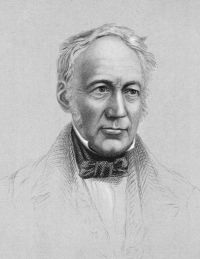
Portrait of Andrew Ure Andrew Ure,  A Dictionary of Arts, Manufactures and Mines

“ But this power lasts no longer than the effervescence. The mineral acids react upon the chromate of potash only when vegetable colouring matter, gum, starch, or a vegetable acid are present, to determine the disengagement of gas. During this curious change carbonic acid is evolved; and when it takes place in a retort, there is condensed in the receiver a colourless liquid, slightly acid, exhaling somewhat of the smell of vinegar, and containing a little empyreumatic oil. This liquid heated with the nitrates of mercury or silver reduces these metals. ”
Source: Gutenberg

Get perspective with Kwize: daily news enlightened by great literature