Mutton broth

Definition and stakes

Mrs. Beeton,  The Book of Household Management

“ Pearl barley or rice are very nice additions to mutton broth, and should be boiled as long as the other ingredients. When either of these is added, the broth must not be strained, but merely thoroughly skimmed. Plain mutton broth without seasoning is made by merely boiling the mutton, water, and salt together, straining it, letting the broth cool, skimming all the fat off, and warming up as much as is required. ”

Source: Gutenberg

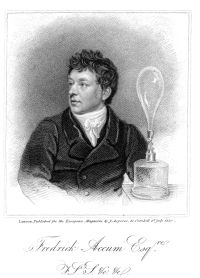
Portrait of William Kitchiner William Kitchiner,  The Cook's Oracle; and Housekeeper's Manual

“ After catching cold, in nervous headaches, cholics, indigestions, and different kinds of cramp and spasms in the stomach, warm broth is of excellent service.
After intemperate feasting, to give the stomach a holyday for a day or two by a diet on mutton broth (No. 564, or No. 572) , or vegetable soup (No. 218) , &c. is the best way to restore its tone. “The stretching any power to its utmost extent weakens it.
”
Source: Gutenberg

Portrait of William Kitchiner William Kitchiner,  The Cook's Oracle; and Housekeeper's Manual

“ N.B. We direct the meat to be done no more than just sufficiently to be eaten; so a sick man may have plenty of good broth for nothing; as by this manner of producing it, the meat furnishes also a good family meal.
Obs.—This is an inoffensive nourishment for sick persons, and the only mutton broth that should be given to convalescents, whose constitutions require replenishing with restorative aliment of easy digestion. The common way of making it with roots, onions, sweet herbs, &c. &c. is too strong for weak stomachs.
”
Source: Gutenberg

Get perspective with Kwize: daily news enlightened by great literature