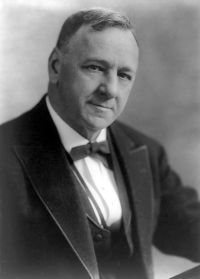
The national economy refers to the totality of economic entities within a state, encompassing its economic structure, policies, and development. This concept has been examined through various perspectives, ranging from Friedrich List's German economic theories to debates on the nationalization of economic organization, as reflected in Herbert David Croly's emphasis on the vitality of the national economy.
John Stuart Mill's writings explore the role of legislation in the distribution of wealth, while U.S. presidential speeches highlight government involvement in production and consumption. Meanwhile, Andrew Johnson emphasizes thrift as a national asset. These viewpoints together illustrate the national economy as a dynamic interaction between state control, resource allocation, and shared well-being.