Nobility (social class)

Definition and stakes

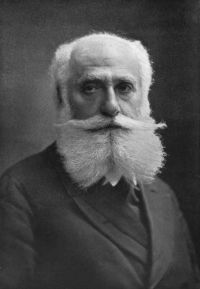
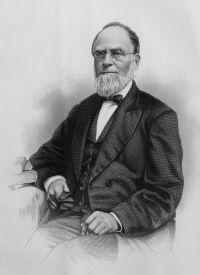
Portrait of François Guizot François Guizot,  History of the Origin of Representative Government in Europe

“ We meet with no nobility, constituting a superior social condition, with recognized privileges: we perceive only the causes which will progressively form a nobility, that is, will introduce inequality of power and the empire of the strong. The formation of a class of nobles has been the work of ages. An actual superiority, transmitted from father to son, has gradually assumed the form and characteristics of a right. ”
Source: Gutenberg

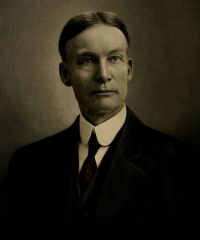
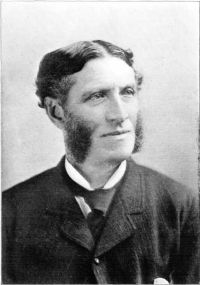
Portrait of Ralph Waldo Emerson Ralph Waldo Emerson,  Letters and social aims (1875)

“ Every human society wants to be officered by a best class, who shall be masters instructed in all the great arts of life; shall be wise, temperate, brave, public men, adorned with dignity and accomplishments. Every country wishes this, and each has taken its own method to secure such service to the state. In Europe, ancient and modern, it has been attempted to secure the existence of a superior class by hereditary nobility, with estates transmitted by primogeniture and entail. But in the last age, this system has been on its trial and the verdict of mankind is pretty nearly pronounced. ”
Source: Gutenberg

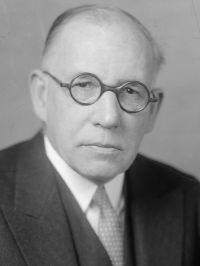
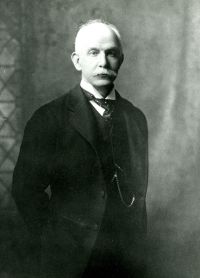
Robert Grant,  The Art of Living

“ The doing away with inherited orders of nobility and deliberate, patented class distinctions, gives the entire field to wealth. We boast proudly that no artificial barriers confine individual social promotion; but we must remember at the same time that those old barriers meant more than the perpetuation of perfumed ladies and idle gentlemen from century to century. We are too apt to forget that the aristocracies of the old world signified in the first place a process of selection. ”
Source: Gutenberg

Get perspective with Kwize: daily news enlightened by great literature