Patent law

Definition and stakes

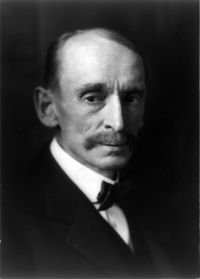
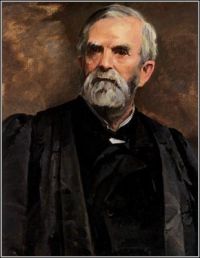
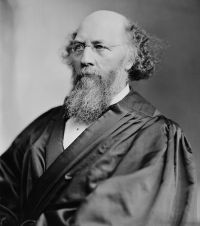
Horace Gray,  Kennedy v. Hazelton — Opinion of the Court

“ The patent law makes it essential to the validity of a patent that it shall be granted on the application, supported by the oath, of the original and first inventor, or of his executor or administrator, whether the patent is issued to him or to his assignee. A patent which is not supported by the oath of the inventor, but applied for by one who is not the inventor, is unauthorized by law and void, and, whether taken out in the name of the applicant or of any assignee of his, confers no rights as against the public. ”
Source: Wikisource

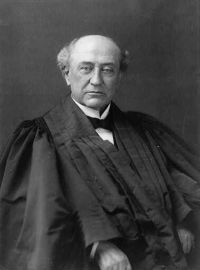
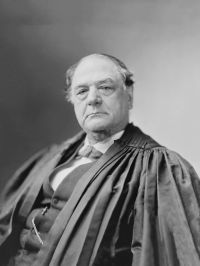
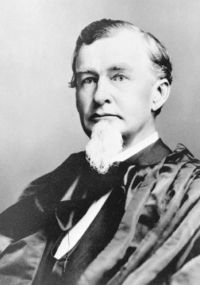
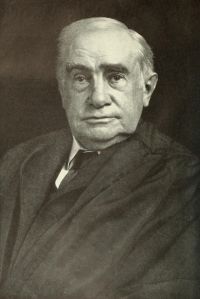
Portrait of Henry Billings Brown Henry Billings Brown,  McClain v. Ortmayer — Opinion of the Court

“ Nothing is better settled in the law of patents than that the patentee may claim the whole or only a part of his invention, and that, if he only describe and claim a part, he is presumed to have abandoned the residue to the public. The object of the patent law in requiring the patentee to 'particularly point out and distinctly claim the part, improvement, or combination which he claims as his invention or discovery' is not only to secure to him all to which he is entitled, but to apprise the public of what is still open to them. ”
Source: Wikisource

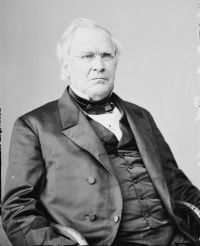
Nathan Clifford,  Seymour v. Osborne — Opinion of the Court

“ Improvements for which a patent may be granted must be new and useful, within the meaning of the patent law, or the patent will be void, but the requirement of the patent act in that respect is satisfied if the combination is new and the machine is capable of being beneficially used for the purpose for which it was designed, as the law does not require that it should be of such general utility as to supersede all other inventions in practice to accomplish the same object. ”
Source: Wikisource

Get perspective with Kwize: daily news enlightened by great literature