Patrilineality

Definition and stakes

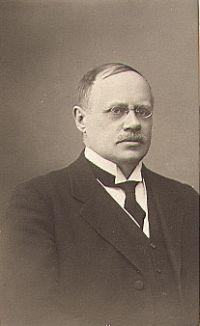
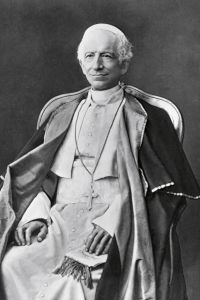
Portrait of Leo XIII Leo XIII,  The Great Encyclical Letters of Pope Leo XIII (1903)

“ But the rulers of the State must go no further: here nature bids them stop. Paternal authority can be neither abolished nor absorbed by the State; for it has the same source as human life itself, "The child belongs to the father," and is, as it were, the continuation of the father's personality; and, speaking strictly, the child takes its place in civil society, not of its own right, but in its quality as member of the family in which it is born. ”
Source: Wikisource

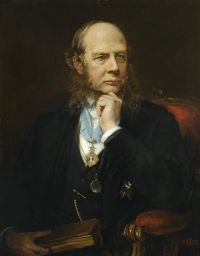
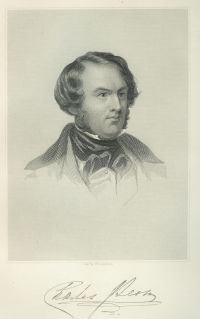
Portrait of Henry James Sumner Maine Henry James Sumner Maine,  Ancient Law (1861)

“ Why should a conception of Kinship, so elastic as to include strangers brought into the family by adoption, be nevertheless so narrow as to shut out the descendants of a female member? To solve these questions, we must recur to the Patria Potestas. The foundation of Agnation is not the marriage of Father and Mother, but the authority of the Father. All persons are Agnatically connected together who are under the same Paternal Power, or who have been under it, or who might have been under it if their lineal ancestor had lived long enough to exercise his empire. ”
Source: Wikisource

Portrait of Anna Garlin Spencer Anna Garlin Spencer,  The family and its members

“ New Social Advantages for Fathers.—Meanwhile, again, the father-office stands out in actual living function as never before. The fathers that now show what fatherhood was meant to be—they are legion. Holding the wife and mother in her place of sacred honor, they are to their children the Supreme Court of appeal in grave questions of discipline, the highest functionary of the family in the distribution of honors and rewards, the best comrade in fun, the most delightful companion in games, the strongest challenger in effort, and the symbol of knowledge and power of the community life. ”
Source: Gutenberg

Get perspective with Kwize: daily news enlightened by great literature