Phlogiston

Definition and stakes

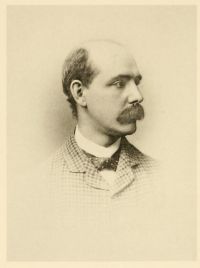
Portrait of Thomas Henry Huxley Thomas Henry Huxley,  Popular Science Monthly (1874)

“ From first to last, he was a stiff adherent of the phlogiston doctrine which was prevalent when his studies commenced; and, by a curious irony of fate, the man, who by the discovery of what he called "dephlogisticated air" furnished the essential datum for the true theory of combustion, of respiration, and of the composition of water, to the end of his days fought against the inevitable corollaries from his own labors. His last scientific work, published in 1800, bears the title, "The Doctrine of Phlogiston established, and that of the Composition of Water refuted." ”
Source: Wikisource

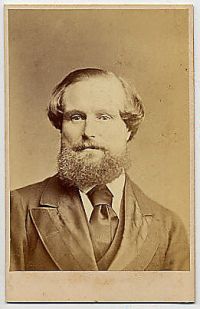
Portrait of William Odling William Odling,  Popular Science Monthly (1876)

“ The ashes of lead can never be restored to their metallic form without their being united with some matter containing phlogiston, and they may be reduced in their metallic form by being united with any substance containing phlogiston in a proper state, whether that substance be derived from the animal, vegetable, or mineral kingdom; and thence we conclude, not only that phlogiston is a necessary part of a metal, but that phlogiston has an identity belonging to it, from whatever substance in Nature it be extracted. ”
Source: Wikisource

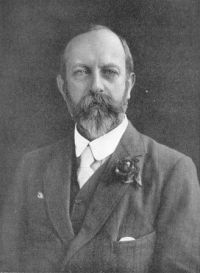
Edward Huntington Williams,  A History of Science — Volume 4

“ In 1771 he gave the first blow to the phlogiston theory by his experiments on the calcination of metals. It will be recalled that one basis for the belief in phlogiston was the fact that when a metal was calcined it was converted into an ash, giving up its "phlogiston" in the process. To restore the metal, it was necessary to add some substance such as wheat or charcoal to the ash. ”
Source: Gutenberg

Get perspective with Kwize: daily news enlightened by great literature