Photographic film

Definition and stakes

Paul Anderson The Mentor: Photography, Vol. 6…

When objects and situations in life that do not exist are wanted, the camera can, by some trick or device, create them for us. There seems to be no limit to the possibilities. Each wonder displayed in photographic reproduction gives way to some new effect more wonderful still.
Consider briefly a few of the wonders of modern photography. First and foremost, and most spectacular of all, is the moving-picture film. Then, in the world of practical things, we have the telephoto-lens—a combination of the telescope and camera—that takes pictures of objects far beyond the reach of the naked eye.
Source: Gutenberg

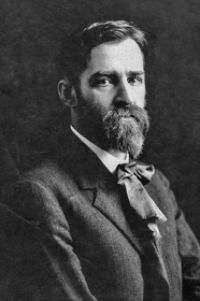
Frederick Arthur Ambrose Talbot Moving Pictures: How They Are Made and Worked (1914)

Indeed, commercial cinematography in the true colours of Nature appears to be as far from realisation as a simple process of still-life colour photography. Nature defies the photographic investigator to capture and reproduce the myriad tints and hues in which she is garbed.
We see colour pictures upon the white screen, but with one or two exceptions the tints are the result of the artist’s handiwork. An ordinary black and white film is taken, and then coloured, in the same way that the photographic artist tints his portraits.
Source: Gutenberg

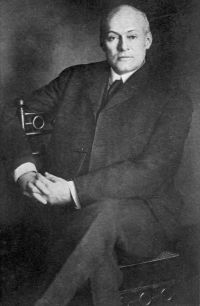
Portrait of Harlan F. Stone Harlan F. Stone Paramount Publix Corporation v…

The positive film bearing the combined sound and picture records is a product of the photographic art. The method claimed for producing it relates exclusively to that art. It is neither a method of sound recording or sound reproduction. It claims only a process every step in which is an application of the art of photography; simultaneous exposure of the negatives, their separate development, and printing from them a single positive film.
Source: Wikisource

Get perspective with Kwize: daily news enlightened by great literature