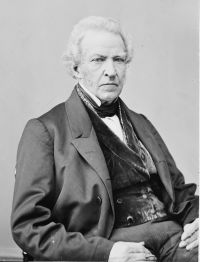
Christopher Columbus Langdell,
Harvard Law Review
(1887)
Christopher Columbus Langdell,
Harvard Law Review
(1887)
“ Thus, when a common-law court renders a judgment in an action that the plaintiff recover of the defendant a certain sum of money as a compensation for a tort or for a breach of obligation, it follows up the judgment by issuing a writ to the sheriff, under which the latter seizes the defendant’s property, and either delivers it to the plaintiff at an appraised value in satisfaction of the judgment, or sells it, and pays the judgment out of the proceeds of the sale. ”