Pork butcher

Definition and stakes

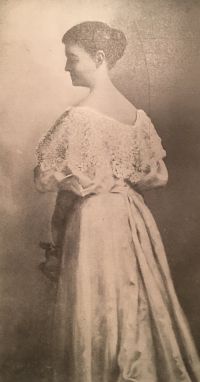
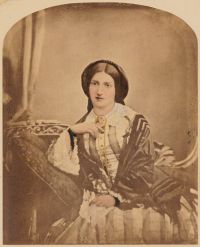
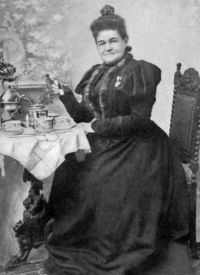
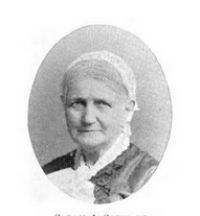
Portrait of Mrs. H. W. Beecher Mrs. H. W. Beecher,  Motherly talks with young housekeepers (1873)

“ Pork should never be bought except from a butcher whose honesty you are sure of, and who knows where the pork was fattened. It is not a very healthful meat at the best, and none should be used unless corn-fed. There is much bad or diseased pork sold, and it is very dangerous food. If the flesh feels flabby or clammy to the touch, it is not good, and should not on any account be used. If there are kernels in the fat, let it alone. The fat should be hard, the lean white and fine in the grain, and the rind thin and smooth. ”
Source: Gutenberg

Thomas Stevens,  Around the World on a Bicycle - Volume II

“ The gallant pork-butcher gathers up the choicest parts of his meat and carries them into a rear room; with a wary yet determined look in his eye he then returns, and proceeds to mince up the few remaining odds and ends. It is plainly evident that he fancies himself in dangerous company, and is prepared to defend himself desperately with his meat-chopper in case he gets cornered up. ”
Source: Gutenberg

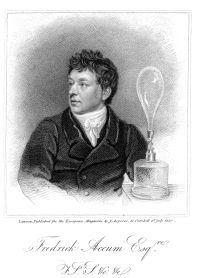
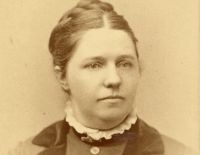
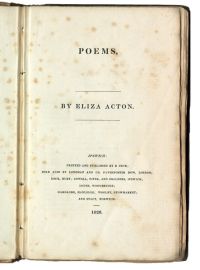
Portrait of Eliza Acton Eliza Acton,  Modern cookery for private families (1882)

“ TO CHOOSE PORK. This meat is so proverbially, and we believe even dangerously unwholesome when ill fed, or in any degree diseased, that its quality should be closely examined before it is purchased. When not home-reared, it should be bought if possible of some respectable farmer or miller, unless the butcher who supplies it can be perfectly relied on. Both the fat and lean should be very white, and the latter finely grained; the rind should be thin, smooth, and cool to the touch; if it be clammy, the pork is stale, and should be at once rejected ”
Source: Gutenberg

Get perspective with Kwize: daily news enlightened by great literature