A property tax is an ad valorem charge on real estate or property value, imposed by local authorities to fund public services. Authors like E. T. Allen stressed the importance of categorizing taxable property to match contemporary economic conditions, while John Stuart Mill criticized progressive property taxes for unfairly focusing on non-commercial assets.
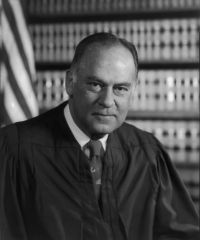
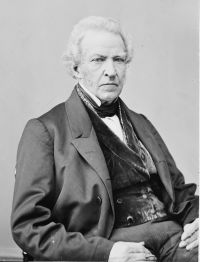
Legal scholars such as Hugo Black and Stephen Field examined constitutional limits, differentiating property taxes from other forms of taxation and analyzing their effects on ownership and privilege. These diverse viewpoints highlight the tax's multifaceted role as both a financial instrument and a topic of legal and economic discussion, influenced by regional policies and changing interpretations of fairness and governance.