Proximate cause

Definition and stakes

| portal,  Washburn v. Farmers’ Insurance Company (1880)

“ The proximate cause is the efficient cause—the one that necessarily sets the other causes in operation. The causes that are merely accidental, or instruments of a superior or controlling agency, are not the proximate causes, and the responsible ones, though they may be nearest in time to the result. ”
Source: Wikisource

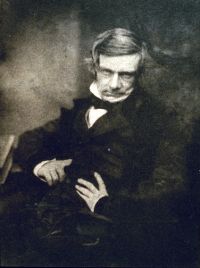
Portrait of John Stuart Mill John Stuart Mill,  A System of Logic, Ratiocinative and Inductive (1881)

“ Now when these substances are brought into contact with the tissues in any way, they do not combine with them; they do not arrest their progress to decomposition. As far, therefore, as these instances go, it appears that when the effect is absent, it is by reason of the absence of that antecedent which we had already good ground for considering as the proximate cause. ”
Source: Wikisource

Ethel Duncan Romanes,  The Life and Letters of George John Romanes…

“ As you observe in your letter, everyone believes in molecular movements of some kind; but to offer this as a full explanation of heredity seems to me like saying that the cause, say, of an obscure disease like diabetes, is the persistence of force. No doubt this is the ultimate cause, but the pathologist requires some more proximate causes if his science is to be of any value. ”
Source: Gutenberg

Get perspective with Kwize: daily news enlightened by great literature