Railway timetable

Definition and stakes

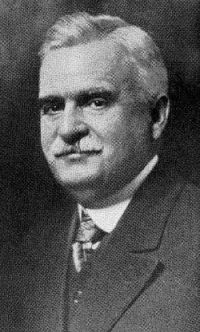
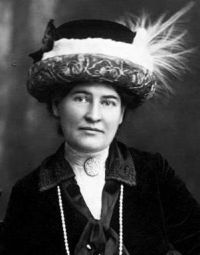
Portrait of Willa Sibert Cather Willa Sibert Cather,  The Song of the Lark (1915)

“ The only men who are incurably nervous about railway travel are the railroad operatives. A railroad man never forgets that the next run may be his turn.
On a single-track road, like that upon which Ray Kennedy worked, the freight trains make their way as best they can between passenger trains. Even when there is such a thing as a freight time-schedule, it is merely a form. Along the one track dozens of fast and slow trains dash in both directions, kept from collision only by the brains in the dispatcher's office. If one passenger train is late, the whole schedule must be revised in an instant
”
Source: Wikisource

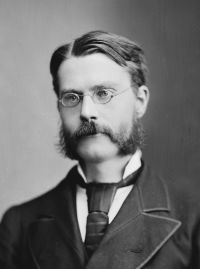
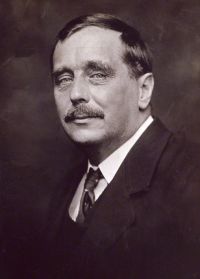
Portrait of George Findlay George Findlay,  The Working and Management of an English Railway (1889)

“ If the theory of the Time Bill, with regularly appointed trains running at varying rates of speed, with specified places for them to pass each other, could be realised absolutely in regular practice, it would represent the perfection of railway working; but, owing to bad weather, the fluctuations of traffic, the running of special trains at short notice, and other uncontrollable causes, this ideal can never be absolutely attained. ”
Source: Wikisource

Various,  Popular Science Monthly (1895)

“ WITHIN the few years remaining to the nineteenth century, if not indeed already, will certainly pass away the human being who can remember a date when there were no railways. A railway then will be, if it is not already, as much part of a natural landscape as a mountain or a river, since no one can then recall a time at which railways as well as rivers did not run. ”
Source: Wikisource

Get perspective with Kwize: daily news enlightened by great literature