Revolutionary literature

Definition and stakes

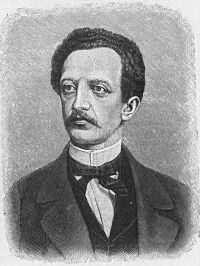
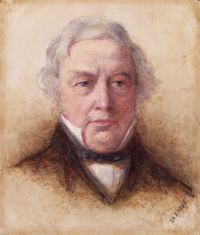
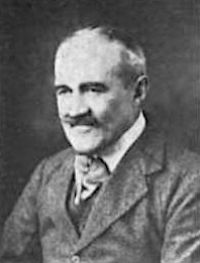
Portrait of William J. Long William J. Long,  Outlines of English and American Literature

“ It is necessary to have these distinctions clearly in mind in reading Revolutionary literature, for a very large part of its prose and poetry reflects the antagonistic aims or ideals of two parties which stood in constant and most bitter opposition.
In general, the literature of the Revolution is dominated by political and practical interests; it deals frankly with this present world, aims to find the best way through its difficulties, and so appears in marked contrast with the theological bent and pervasive "other worldliness" of Colonial writings.
”
Source: Gutenberg

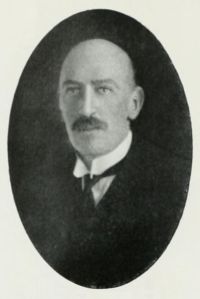
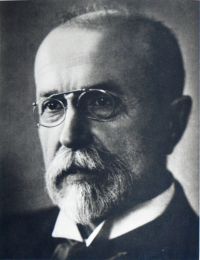
Portrait of Tomáš Garrigue Masaryk Tomáš Garrigue Masaryk,  The Spirit of Russia (1919)

“ Revolution may be accounted an exceptional happening; we may wish that there were no revolutions, that development could take place without such shocks. But revolutions have occurred, and it is undeniable that since the great revolution, revolutionism, the revolutionary mood, has become widespread and enduring. Socialism and anarchism as mass moods are definitely revolutionary. In philosophy, literature, and art, and also in the moral domain, revolutionary sentiment is general. Socio-political revolutions are intimately connected with revolutions in the mind. ”
Source: Wikisource

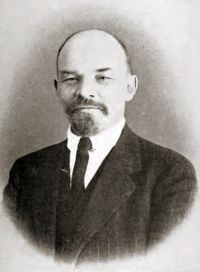
Portrait of Edward Bellamy Edward Bellamy,  Equality — Chapter XXXV. Why the revolution went slow at first but fast at last (1897)

“ From about the beginning of the second phase of the revolutionary movement, the literature of the times begins to reflect in the most extraordinary manner a wholly new spirit of radical protest against the injustices of the social order. Not only in the serious journals and books of public discussion, but in fiction and in belles-lettres, the subject of social reform becomes prominent and almost commanding. ”
Source: Wikisource

Get perspective with Kwize: daily news enlightened by great literature