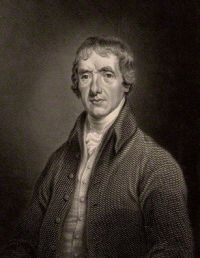
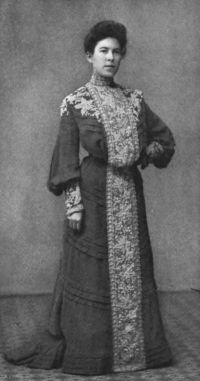
A right of way signifies a legal permission to cross another's property, including physical passages such as highways, railroads, or trails, as well as legal arrangements like easements. Authors have examined its complex nature: Jessie Louisa Moore Rickard focused on its human toll in conflict, John Aikin stressed equity on shared roads, while Orison Swett Marden viewed it as a metaphor for life decisions.
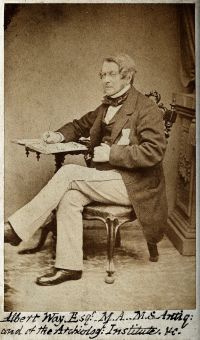
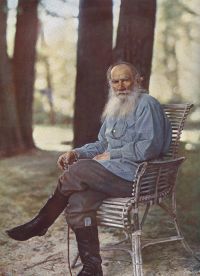
Albert Way’s archaeological findings and Leo Tolstoy’s philosophical reflections on paths further highlight its combination of practicality and existential significance. This idea connects law, ethics, and human effort, illustrating both societal systems and personal determination.