Scrape

Definition and stakes

Gleanings from the Harvest-Fields of Literature…

“ Scrape.—Long ago roamed through the forests the red and fallow deer, which had a habit of scraping up the earth with their fore-feet to the depth of several inches, sometimes even of half a yard. A wayfaring man through the olden woods was frequently exposed to the danger of tumbling into one of these hollows, when he might truly be said to be “in a scrape.” Cambridge students in their little difficulties picked up and applied the phrase to other perplexing matters which had brought a man morally into a fix.
Sterling.—This word was originally applied to the metal rather than to a coin.
”
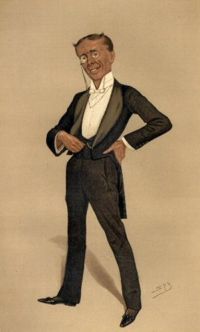
Source: Gutenberg

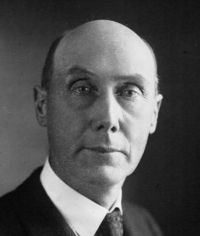
Portrait of Alexander MacBain Alexander MacBain,  An Etymological Dictionary of the Gaelic Language (1911)

“ Eng. scrape; Lettic skrabt, scrape, Ch. Sl. skreb, scrape.
sgròban, a bird's crop, Ir. scrobán; cf. Eng. crop, Ger. kropf.
sgrobha, a screw, so Ir.; from the Eng.
sgrog, the head or side of the head (in ridicule) , a hat or bonnet; vb. sgrog, put on the bonnet firmly, scrog; from the Sc. scrog, scrug, Eng. shrug. In the sense of "head" compare sgruigean.
sgrog, sgrogag, anything shrivelled, a shrivelled old woman, old cow or ewe, sgrog, shrivel; from the Sc. scrog, a stunted bush, sgroggy, stunted, Eng. scraggy, Dan. skrog, Swed. skrokk, anything shrunken, Norse skrokkr.
”
Source: Wikisource

Get perspective with Kwize: daily news enlightened by great literature