Seizure (law)

Definition and stakes

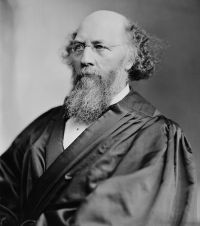
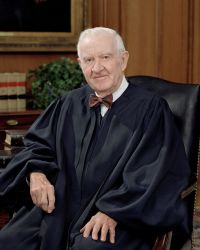
Portrait of John Paul Stevens John Paul Stevens,  California v. Hodari D. — Dissenting Opinion

“ And in Terry, the Court abandoned its traditional view that a seizure under the Fourth Amendment required probable cause, and, instead, expanded the definition of a seizure to include an investigative stop made on less than probable cause. Thus, the major premise underpinning the majority's entire analysis today-that the common law of arrest should define the term "seizure" for Fourth Amendment purposes, see ante, at 624-625-is seriously flawed. ”
Source: Wikisource

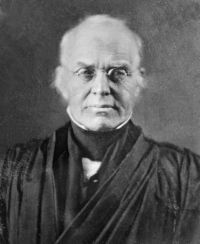
Portrait of Roy Franklin Barton Roy Franklin Barton,  Ifugao Law

“ There is a second kind of seizure, a seizure of the property of some relative or kinsman of the culprit. The property of a wealthy kinsman may be seized to cover a fine due from a poor kinsman who has no property. This kind of seizure is more likely to lead to a lance throwing than a seizure from the culprit himself. The danger of such an ending increases with the remoteness of the kinship between the culprit and the person from whom the seizure is made.
A third kind of seizure is practiced against neighbors of delinquents who live in another district.
”
Source: Gutenberg

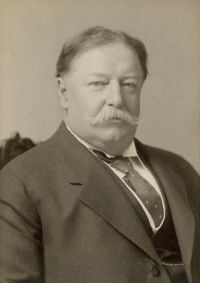
Portrait of William Howard Taft William Howard Taft,  Carroll v. United States (267 U.S. 132…

“ The argument of defendants is based on the theory that the seizure in this case can only be thus justified. If their theory were sound, their conclusion would be. The validity of the seizure then would turn wholly on the validity of the arrest without a seizure. But the theory is unsound. The right to search and the validity of the seizure are not dependent on the right to arrest. They are dependent on the reasonable cause the seizing officer has for belief that the contents of the automobile offend against the law. ”
Source: Wikisource

Get perspective with Kwize: daily news enlightened by great literature