Ship ballast

Definition and stakes

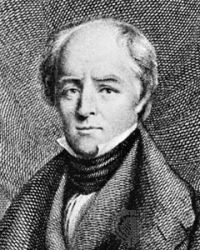
Portrait of William Falconer William Falconer,  An Universal Dictionary of the Marine

“ It is used to counter-ballance the effort of the wind upon the masts, and give the ship a proper stability, that she may be enabled to carry sail without danger of over-turning.
There is often great difference in the proportion of ballast required to prepare ships of equal burthen for a voyage; the quantity being always more or less, according to the sharpness or flatness of the ship’s bottom, which seamen call the floor.
The knowledge of ballasting a ship with propriety, is certainly an article that deserves the attention of the skilful mariner
”
Source: Gutenberg

Francis B. Pearson,  The Reconstructed School

“ She encounters steep grades, to be sure, but with ease and grace she applies a bit more power from her abundant supply and so compasses the difficulty without disturbing the calm. She is fully conscious of her reservoir of power and can concentrate all her attention upon the work in hand. The ballast in the hold keeps the mast perpendicular and the sails in position to catch the favoring breeze. We admire and applaud the graceful ship as it speeds along its course, giving little heed to the ballast in the hold that gives it poise and balance. ”
Source: Gutenberg

Howard Irving Chapelle,  The Pioneer Steamship Savannah…

“ Some ballast would normally have been placed under the cabin stores, in the run. The boilers, engine, and fuel weights were relatively important. To trim the ship, with minimum ballast, the location of the machinery weights would have to have been about as shown in the reconstruction drawings. It may be observed that the engine and fuel weights are relatively great for the recorded hull dimensions and resultant displacement limitation, indicating only a small quantity of ballast would have been employed under any circumstance. ”
Source: Gutenberg

Get perspective with Kwize: daily news enlightened by great literature