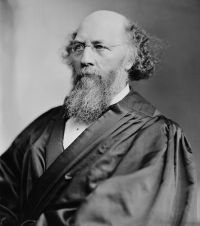
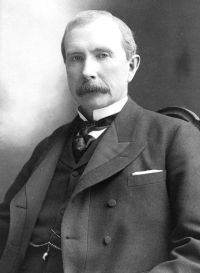
A state-owned enterprise (SOE) is a legal entity controlled by a government to engage in commercial activities, often balancing profit generation with public goals such as infrastructure development, resource management, or social welfare. Scholars have long debated their role: L. Paul Bremer emphasized their consolidation under state ministries, while Thomas Huxley doubted private enterprise’s capacity to handle tasks typically reserved for the state.
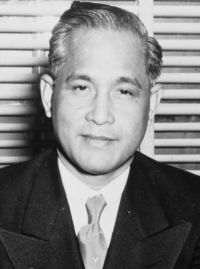
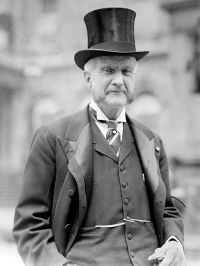
Others, like Isaac Marcosson, supported shifting state-operated initiatives to independent bodies, and Carlos P. Garcia pointed out their role as a transitional mechanism for promoting private sector expansion. These viewpoints highlight SOEs’ dual function—as instruments of economic policy and political influence—while emphasizing the tensions between efficiency, public responsibility, and market forces.
 Thomas Henry Huxley,
Critiques and Addresses