Stereotype (printing)

Definition and stakes

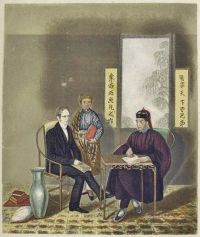
Portrait of Rudolph Ackermann Rudolph Ackermann,  Ackermann’s Repository of Arts (1809)

“ From what has been said, it follows, that we consider stereotype, or those kinds of it usually known by the description of block or plate printing, to have been anterior to letter-press, or printing with movable types; but the great modern improvements which have been made in stereotype, almost entitle it to be considered as a new branch of the art. The French claim the merit of the invention ”
Source: Wikisource

1911 Encyclopædia Britannica (1911)

“ In rotary printing from the curved stereotype plate and from the endless web of paper much can be done to assist the printer if good stereotype plates are supplied to him, and, if the forme contains any illustrations, both the artist and the engraver can help him if they keep in mind the particular character of illustration which they are preparing for the press. The artist can accentuate the high lights or solids in the original drawing or photograph, and the stereotype can emphasize points in the picture by thickening the plate in the parts necessary to stand out. ”
Source: Wikisource

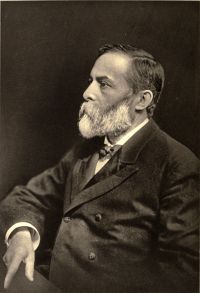
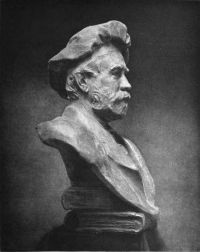
Portrait of Theodore Low De Vinne Theodore Low De Vinne,  The Invention of Printing

“ The labor of composition is not always lost. A page of movable types can be used for a mould, from which can be made a stereotype plate of immovable letters. Stereotyping is a cheap process. A plate of this page of type can be had for about one-half the cost of the composition. The stereotype plate has all the advantages pertaining to an engraving on a lithographic stone, and it is more durable and portable. p025
Typography has a marked advantage in the greater ease with which printing types are inked.
”
Source: Gutenberg

Get perspective with Kwize: daily news enlightened by great literature