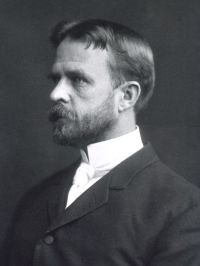
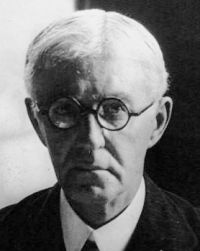
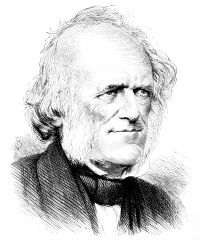
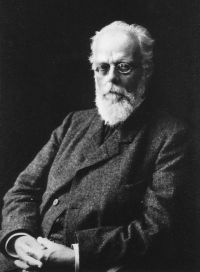
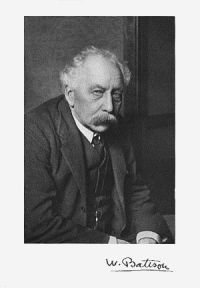
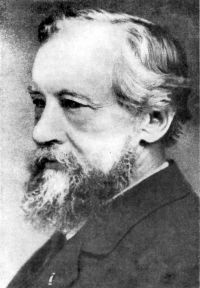
Systematics, as conceptualized by John Godolphin Bennett, is the study of systems and their application to understanding complexity in both the natural and human worlds. It examines qualitative levels of structure, from dyads to multi-term systems, each displaying emergent characteristics such as dynamism or importance. Authors such as Charles Darwin emphasized classification as a genealogical framework, while Ernst Haeckel associated evolution with hierarchical groupings, demonstrating systematics’ role in organizing biological diversity.
Herbert Spencer and Thomas Hunt Morgan explored systematic relationships through form and evolutionary comparisons, underscoring how structured analysis reveals patterns of relatedness. Bennett’s framework, building on these traditions, provides a universal model for analyzing complexity across disciplines, integrating abstract logic with practical application to navigate the interplay of structure and meaning.
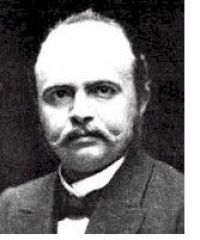 Hans Driesch,
The Science and Philosophy of the Organism
Hans Driesch,
The Science and Philosophy of the Organism