Systematization

Definition and stakes

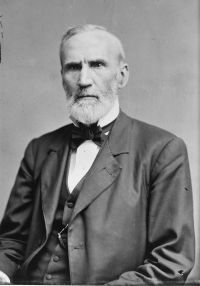
John Austin,  Centralization (1847)

“ If the organization of the system be crude and confused, the number, naturally, is comparatively large; if the organization be regular or systematic, the number, naturally, is comparatively small; for the more orderly the distribution of the various functions, the more easy is it, without damaging the efficiency of the system, to combine or cumulate functions in one and the same functionary. It is, therefore, the tendency of centralization, which supposes a regular administration, to reduce the functionaries required by the public wants to the lowest possible number. ”

Source: Wikisource

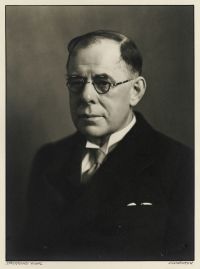
Portrait of William Francis Channing William Francis Channing,  Popular Science Monthly (1876)

“ The want of either of these factors, the distinct individual units, or the scientific grouping and marshaling of units in a collective unity, deprives a body of its place in the organic world. The same factors must enter into every social organization which is entitled to the name. We have in this country an example of a true organization in our federative political system, composed of townships, counties, States, and nation, with its motto, "Out of many, one." I have drawn thence the designation Federative for the organized Homestead. ”
Source: Wikisource

John Austin,  Centralization (1847)

“ Of the many misconceptions of centralization which have fallen under our observation, the following, we think, are the most prevalent and important:—1. It is confounded with over-governing. 2. It is thought incompatible with the spirit, if not with the forms, of free or popular government. 3. It is thought incompatible with local governments of local and popular origin. 4. In France, Prussia, and other continental countries, the governments of localities, with the lower branches of the general administration, are controlled to excess by the heads of the latter ”
Source: Wikisource

Get perspective with Kwize: daily news enlightened by great literature