Trade balance

Definition and stakes

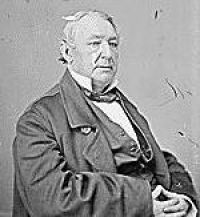
Sir James Steuart,  An Inquiry into the Principles of Political Oeconomy…

“ We must always carefully avoid confounding the grand balance of payments with the balance between importation and exportation, which I consider as the balance of trade.
This circumstance implies no loss to the nation which is creditor in the balance of trade, and debtor upon the capitals; because we have proved that the price of exchange never affects a nation, but only certain individuals, who pay it to others.
”
Source: Gutenberg

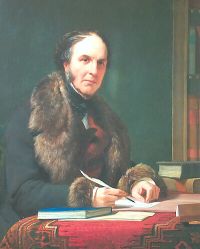
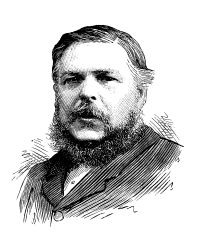
Portrait of Robert Giffen Robert Giffen,  1911 Encyclopædia Britannica (1910)

“ The phrase “balance of trade,” then, appears to be an application of a trader’s language in his own business to the larger affairs of nations or rather of the aggregate of individuals in a nation engaged in foreign trade. A trader in his own books sets his sales against his purchases, and the amount by which the former exceed the latter is his trade balance or profit. What is true of the individual, it is assumed, must be true of a nation or of the aggregate of individual traders in a nation engaged in the foreign trade. ”
Source: Wikisource

Various,  The New Gresham Encyclopedia. Atrebates to Bedlis

“ Balance of Trade, the difference between the stated money values of the exports and imports of a country. The balance is erroneously said to be 'in favour' of a country when the value of the exports is in excess of that of the imports, and 'against it' when the imports are in excess of the exports. The phrases date from the days of the mercantile system, the characteristic doctrine of which alleged the desirability of regulating commerce with a view to amassing treasure by exporting produce largely, importing little merchandise in return, and receiving the balance in bullion. ”
Source: Gutenberg

Get perspective with Kwize: daily news enlightened by great literature