Uncial script

Definition and stakes

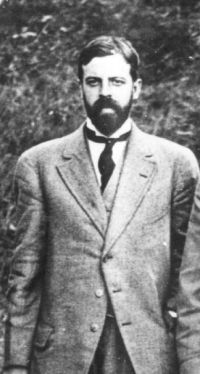
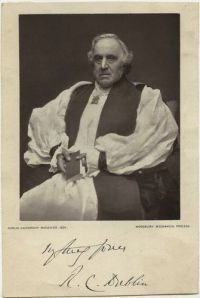
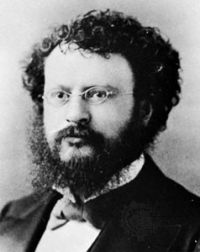
Portrait of Edward Maunde Thompson Edward Maunde Thompson,  1911 Encyclopædia Britannica (1911)

“ The hand, as will be seen, is rather heavy and irregular, but written with facility and strength, and, though the papyrus, perhaps, is not to be classed among the calligraphic productions for the book market, it must rank as a well-written example of the literary script of the time. Capital forms of letters which afterwards assumed the rounded shapes known as uncial are here conspicuous. The exactly formed alpha, the square epsilon with projecting head-stroke, the irregular sigma, the small theta and omikron are to be remarked. ”
Source: Wikisource

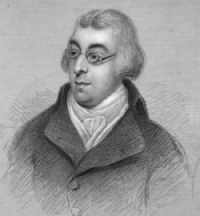
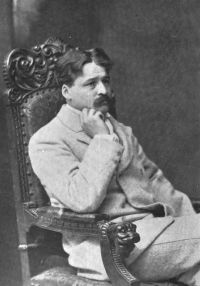
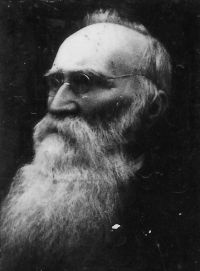
Portrait of John William Burgon John William Burgon,  The Traditional Text of the Holy Gospels

“ There is no merit, so to speak, in a MS. being written in the uncial character. The number of the Uncials is largely inferior to that of the Cursives, though they usually boast a much higher antiquity. It will be shewn in a subsequent chapter that there is now, in the face of recent discoveries of Papyrus MSS. in Egypt, much reason for inferring that Cursive MSS. were largely derived from MSS. on Papyrus, just as the Uncials themselves were, and that the prevalence for some centuries of Uncials took its rise from the local library of Caesarea. ”
Source: Gutenberg

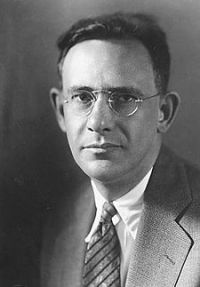
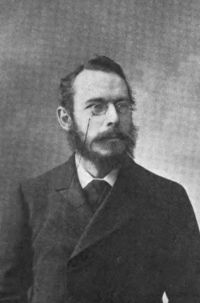
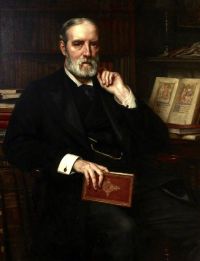
Portrait of Oswald Spengler Oswald Spengler,  The Decline of the West (1926)

“ Whereas in the Egyptian, the Babylonian, the Mexican and the Chinese Cultures the formation of a script begins in the very twilight of dawn, whereas the Germans made themselves a Runic alphabet and presently developed that respect for writing as such which led to the successive refinements of ornamental calligraphy, the Classical primitives were entirely ignorant of the numerous alphabets that were current in the South and the East. ”
Source: Gutenberg

Get perspective with Kwize: daily news enlightened by great literature