Wall (architecture)

Definition and stakes

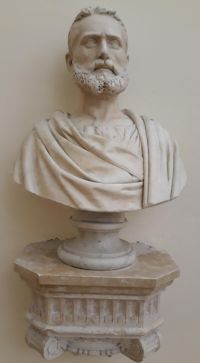
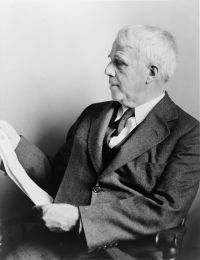
Portrait of John Ruskin John Ruskin,  The Seven Lamps of Architecture

“ Now, it does not seem to me sufficiently recollected, that a wall surface is to an architect simply what a white canvas is to a painter, with this only difference, that the wall has already a sublimity in its height, substance, and other characters already considered, on which it is more dangerous to break than to touch with shade the canvas surface. And, for my own part, I think a smooth, broad, freshly laid surface of gesso a fairer thing than most pictures I see painted on it; much more, a noble surface of stone than most architectural features which it is caused to assume. ”
Source: Gutenberg

Russell Sturgis,  How to judge architecture: a popular guide to the appreciation of buildings

“ It is not so much that the walls are thin, as that they have disappeared: there are no walls—only a series of piers dividing windows, the opening filled with glass being much greater, if measured along a horizontal line running through the windows, than is the extent of the solid masonry. You see at once wherein there is an excuse for the saying “a wall of glass with a roof of stone.” But there is more than this: the primary object of the designer has been to treat his construction as the main inspiration of his design. ”
Source: Gutenberg

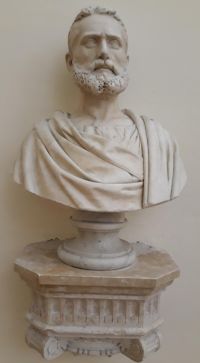
Portrait of John Ruskin John Ruskin,  The Seven Lamps of Architecture (1849)

“ And it is a noble thing for men to do this with their cut stone or moulded clay, and to make the face of a wall look infinite, and its edge against the sky like an horizon: or even if less than this be reached, it is still delightful to mark the play of passing light on its broad surface, and to see by how many artifices and gradations of tinting and shadow, time and storm will set their wild signatures upon it ”
Source: Wikisource

Get perspective with Kwize: daily news enlightened by great literature