Flooring

Definition and stakes

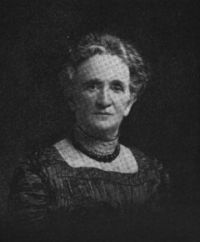
Portrait of Mary Harrod Northend Mary Harrod Northend,  Remodeled Farmhouses

“ One should be careful not to lay oak flooring while the walls and plaster are damp; in fact, if you have to do much remodeling, [Pg 200] the floor should be the last thing attended to, as it is a better plan to get everything else done and thoroughly dried—even to painting, wall hangings, and decorating.
Hard pine is best for the kitchen, as it does not splinter, is more reasonable in price, and has fine wearing qualities. It must be taken into consideration that oak flooring is cheaper in the end than carpet.
”

Source: Gutenberg

C. W. D. Boxall, Henry Adams, F. W. Loasby,  Cassells' Carpentry and Joinery (1907)

“ A good machine can run from 9,000 to 11,000 sup. ft. of 6-in. or 61⁄2-in. by 11⁄8-in. flooring per day, or 4,000 sup. ft. of narrow flooring. All 11⁄8-in. material is taken from 21⁄2-in. battens, whether broad or narrow. Flooring above 11⁄2 in. thick is sometimes run with two grooves instead of one, and slip feathers are employed in place of the solid formed tongue. This plan saves 1⁄2 in. on the breadth of each board.
Fig. 366.—Direction of Grain for Least Shrinkage of Floor-Boards.
”
Source: Wikisource

James Bartlett,  1911 Encyclopædia Britannica (1911)

“ Single flooring (fig. 23) consists of one row of wood joists resting on a wall or partition at each end without any intermediate support, and receiving the floor boards on the upper surface and the ceiling on the underside. Joists should never be less than 2 in. thick, or Single flooring. they are liable to split when the floor brads are driven in; the thickness varies from 2 to 4 in. ”
Source: Wikisource

Get perspective with Kwize: daily news enlightened by great literature