Wheat field

Definition and stakes

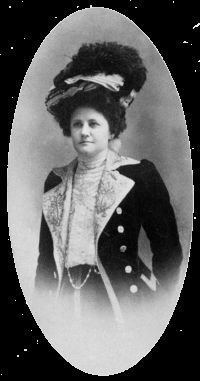
Portrait of Zane Grey Zane Grey,  The Desert of Wheat

“ A huge pall of dust, chaff, and smoke hung over the vast wheat-field, and the air seemed charged with a roar. The glaring gold of the wheat-field appeared to be crisscrossed everywhere with bobbing black streaks of horses—bays, blacks, whites, and reds; by big, moving painted machines, lifting arms and puffing straw; by immense wagons piled high with sheaves of wheat, lumbering down to the smoking engines and the threshers that sent long streams of dust and chaff over the lifting straw-stacks; by wagons following the combines to pick up the plump brown sacks of wheat ”
Source: Gutenberg

Portrait of Sylvanus Stall Sylvanus Stall,  With the Children on Sundays

“ Now, if a single grain of wheat were planted in soil as fertile as that of Egypt, at the end of eight years of sowing and reaping, if we had a field large enough, the product would be sufficient to feed all the families of the earth for more than a year and a half. But if we were to undertake to plant one grain of wheat in this way, after a few years we would fill all the fields which would be suited for a wheat harvest. Down near the equator it would be too hot for the wheat to grow successfully. ”
Source: Gutenberg

Cyril G. Hopkins,  The Farm That Won't Wear Out

“ On Broadbalk Field at Rothamsted, England, wheat has been grown on the same land every year for about two-thirds of a century. As an average of the sixty years, 1852 to 1911 the yield was 12.6 bushels an acre on unfertilized land, 14.6 where mineral plant food was annually applied, 20.3 where nitrogen salts alone were used, and 37 where both nitrogen and mineral plant food were applied. ”
Source: Gutenberg

Get perspective with Kwize: daily news enlightened by great literature